Citric acid, C₆H₈O₇
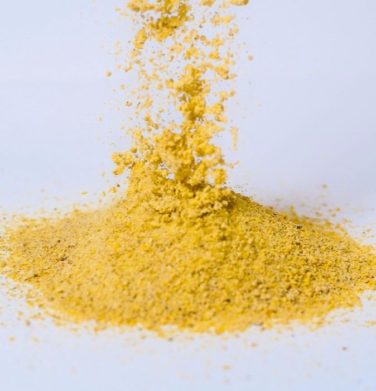
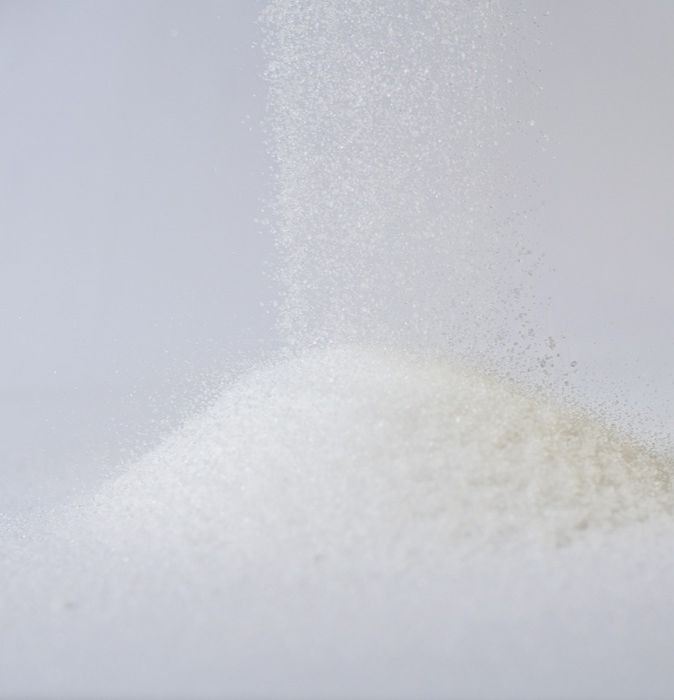
It has the structure of a fine-grained powder or crystals that are colored or colored in a pale yellow color. Citric acid is non-flammable, non-toxic, fire- and explosion-safe. When heated above 175 ° C, it decomposes into carbon dioxide and water. In an aqueous solution, it forms chelate complexes with calcium, magnesium, copper, iron-ions, etc.
Packaging:
1 kg bags, 25 kg bags.
Safety precautions:
Citric acid has an irritating effect on mucous membranes and skin. When working with the drug, you should use personal protective equipment (respirator, rubber gloves, safety glasses), as well as follow the rules of personal hygiene. The premises must be equipped with general supply and exhaust ventilation; drug analysis in laboratories must be carried out in a fume hood.
Transportation and storage:
It is stored in the manufacturer’s packaging in covered warehouses. The warranty period of storage is 3 years. They are transported by all modes of transport in accordance with the rules of cargo transportation that apply to this mode of transport.
Application:
The main field of application is the food industry, where it is used as an additive in preserving products and as an acidity regulator. However, in addition to this, it is actively used in pharmaceuticals, cosmetology, textile industry, and metallurgy. Citric acid is registered as a food additive with code E330. Citric acid (E330) is widely used as a flavor additive in food products. It is found in almost all fruit and vegetable juices, confectionery products, juice-containing drinks.
Citric acid is part of many cosmetic preparations: elixirs, lotions, creams, shampoos, hair fixatives, etc. Here it is mainly used as a pH regulator (acidity regulator).
In the oil and fat industry, citric acid protects products from the decaying action of traces of heavy metals in them, by forming complex compounds with them. In this way, the probability of rancidity of fats, margarines and animal oil is significantly reduced.