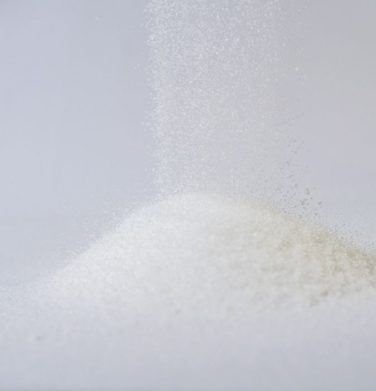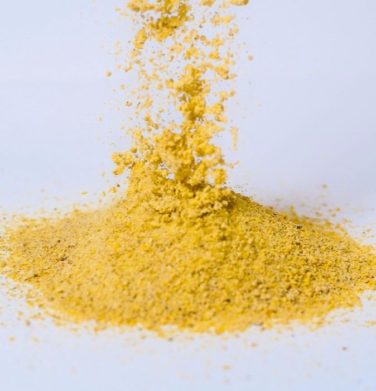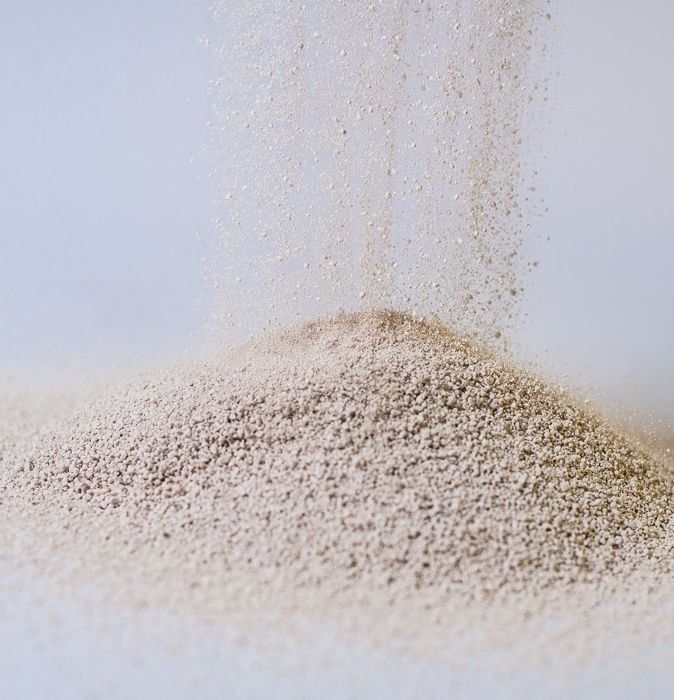
Feed supplement for enriching and balancing the rations of livestock, including poultry, with phosphorus and calcium.
Protect from moisture. Store in packaged form in covered, dry and clean warehouses that protect the product from moisture, atmospheric precipitation and groundwater, separate from mineral fertilizers and pesticides! Storage temperature is not limited.
Fodder monocalcium phosphate is fed in mixtures with concentrated feed (concentrates), grain wastes, silage, pulp, green mass of grasses, shredded root crops, wet mixtures, and also used to enrich mixed fodder. Introduced into the ration gradually over 5-10 days, starting with small doses.
The daily dosage of monocalcium phosphate is determined taking into account the content of phosphorus and calcium in the ration of animals and poultry.
Feeding rates per head per day, in grams:
| Dry period cows | 35-100 |
| Milking cows | 25-70 |
| stud bull | 30-75 |
| Working horses, suckling mares, sows | 30-60 |
| CATTLE Youngsters up to 1 year old | 10-30 |
| CATTLE Youngsters over 1 year old | 25-50 |
| piglet, foal | 8-15 |
| ewe | 2-5 |
| Adult chickens, turkeys | 1,5-2,5 |
| Young sheep | 1,5-3 |
| Lambs | 0,8-1 |
Exceeding the daily feeding amount is not recommended.
Introduction of monocalcium phosphate to feed is carried out in farms’ feed-mixing building or at feed mills. Overdose can cause chronic poisoning. Magnesium carbonate and potassium chloride are used as antidotes, and magnesium level in diets bring to 0.35-0.5% and potassium to 1.5%. It is compatible with other feed additives and medicines. There are no contraindications for its use. Livestock products after use of the feed supplement can be used without restrictions.
According to the degree of impact on the human body it belongs to Hazard Class 4 (substances that are low hazardous), the maximum allowable concentration of monocalcium phosphate dust in the air of the working area is 10 mg/m3 according to GN 2.2.5.1313. Fireproof and explosion-proof.
Personal preventive measures.
Work in hand protection if necessary use protection for respiratory organs. To protect the respiratory system from dust, use respirators such as ShB-1 “Lepestok” or UK-2. After finishing work, you should wash your face and hands with soap and water.
In case of contact with skin, wash with soap and water. In case of contact with eyes – rinse with plenty of water. If dust is inhaled – fresh air, rest, warmth. If accidentally swallowed – drink plenty of water, activated carbon, saline laxative. Do not induce vomiting! If necessary, call a doctor or take the affected person to a medical establishment (have recommendations for use with you).
Monocalcium phosphate does not form toxic compounds in the air and wastewater.